http://www.youtube.com/watch?v=7P7Wj-wF3kE
video
Es un día de trabajo un poco especial. Es un corto un poco especial.
It is a quite special working day. It is a quite special movie.
Mostrando entradas con la etiqueta Sostenible. Mostrar todas las entradas
jueves, 21 de abril de 2011
viernes, 11 de marzo de 2011
crisis financiera / financial crisis
http://www.youtube.com/watch?v=H4T53bqJruc&feature=related
Esta comedia sobre la crisis 2008 ha sido un éxito en vistas en internet. Es una comedia que describe cuál ha sido el gérmen de la crísis financiera. Creo que hay que tomarla como lo que es , una comedia. Dentro del mercado financiero existen generadores de estafas , como en todos los campos y también generadores de inversión basadas en criterios perfectamente éticos. Creo que hay consenso en que la crisis no viene exclusivamente por la generación de productos financieros soportados por hipotecas basura, sino por un declive general de la escala de valores .
Hay mucha gente dentro del campo financiero que trabajamos generando oportunidades de inversión con claridad y transparencia. También hay gente que no lo hace. La historia es que si cada uno aportamos nuestro grano de arena desde nuestro humilde puesto de trabajo conseguiremos que este tipo de historias no se puedan volver a producir por que no habrá nadie que se lo plantee.
Hace años, nadie reciclaba. En nuestros días es lo habitual.
Hace años la gente fumaba en los aviones, hoy es impensable.
Todo lo podemos cambiar y mejorar, pero con esfuerzos concretos en nuestros ámbitos de actuación , no con grandes campañas. Yo , trabajo por ello.
Por cierto, el video es muy bueno!
This comedy about the crisis in 2008 has been a success in views on the Internet. It's a comedy that describes what has been the germ of the financial crisis. I think we should take it for what it is, a comedy. Within the financial market are generators of scams, as in all fields and also generators based on investment criteria perfectly ethical.I think there is consensus that the crisis is not exclusively for the generation of financial products supported by subprime mortgages, but by a general decline of values.
There are many people within the financial field we worked generating investment opportunities with clarity and transparency. There are also people who do not. The thing is that if each contribute our grain of sand from our humble job getting this kind of story can not be re-produce that no one will raise it.
Years ago, no one recycled. Nowadays it is usual.
Years ago people smoked on airplanes today is unthinkable.
Everything can change and improve, but with concrete efforts in our areas of activity, not with large campaigns. I work for it.
By the way, the video is very good!
Esta comedia sobre la crisis 2008 ha sido un éxito en vistas en internet. Es una comedia que describe cuál ha sido el gérmen de la crísis financiera. Creo que hay que tomarla como lo que es , una comedia. Dentro del mercado financiero existen generadores de estafas , como en todos los campos y también generadores de inversión basadas en criterios perfectamente éticos. Creo que hay consenso en que la crisis no viene exclusivamente por la generación de productos financieros soportados por hipotecas basura, sino por un declive general de la escala de valores .
Hay mucha gente dentro del campo financiero que trabajamos generando oportunidades de inversión con claridad y transparencia. También hay gente que no lo hace. La historia es que si cada uno aportamos nuestro grano de arena desde nuestro humilde puesto de trabajo conseguiremos que este tipo de historias no se puedan volver a producir por que no habrá nadie que se lo plantee.
Hace años, nadie reciclaba. En nuestros días es lo habitual.
Hace años la gente fumaba en los aviones, hoy es impensable.
Todo lo podemos cambiar y mejorar, pero con esfuerzos concretos en nuestros ámbitos de actuación , no con grandes campañas. Yo , trabajo por ello.
Por cierto, el video es muy bueno!
This comedy about the crisis in 2008 has been a success in views on the Internet. It's a comedy that describes what has been the germ of the financial crisis. I think we should take it for what it is, a comedy. Within the financial market are generators of scams, as in all fields and also generators based on investment criteria perfectly ethical.I think there is consensus that the crisis is not exclusively for the generation of financial products supported by subprime mortgages, but by a general decline of values.
There are many people within the financial field we worked generating investment opportunities with clarity and transparency. There are also people who do not. The thing is that if each contribute our grain of sand from our humble job getting this kind of story can not be re-produce that no one will raise it.
Years ago, no one recycled. Nowadays it is usual.
Years ago people smoked on airplanes today is unthinkable.
Everything can change and improve, but with concrete efforts in our areas of activity, not with large campaigns. I work for it.
By the way, the video is very good!
martes, 8 de marzo de 2011
LA HUELLA ECOLOGICA / ECO FOOTPRINT
http://www.elblogalternativo.com/2009/04/30/jim-merkel-y-la-simplicidad-radical-consumir-menos-para-vivir-mejor-12/
spanish
http://www.radicalsimplicity.org/jim_merkel.html
english
Es muy impresionante los cálculos que se hacen sobre el concepto de huella ecológica. La idea es analizar qué superficie terrestre se necesita para satisfacer el consumo personal y para dar salida a los resíduos generados con ese consumo. Yo no me había parado a pensar, pero es bastante descorazonador. Obviamente la huella ecológica de los países mal llamados del primer mundo, es infinítamente más grande que el resto. Aquí sí podemos actuar. El tema, qué raro, vuelve a confluir con el decrecimiento, el movimiento slow y la simplicidad. En concreto , el principal artífice de este concepto es Jim Merkel que ha plasmado sus ideas en un libro titulado simplicidad radical. Otro foco de denuncia e indignación con el modelo actual. ¨Sinceramente, al comenzar este blog en agosto del año pasado pensé , no voy a ser capaz de encontrar suficientes ideas como para alimentar un blog de forma regular. Os puedo asegurar que no paro de encontrar ideas nuevas y gente que va adelante en estos temas y que confluyen.
Ahora nos toca a nosotros en casa. Sin grandes teorías, sin aplausos ni best sellers. simplemente consumiendo menos y disminuyendo nuestra huella ecológica.
Esto es fácil y ya nos pilla muy aleccionados.
a por ello chic@s
It's very impressive the calculations that are made on the concept of ecological footprint.The idea is to analyze the land area needed to meet our personal use and for disposal of the residues generated by this consumption. I had not stopped thinking, but it is quite sad. Obviously, the ecological footprint of countries on badcalled firstworld, is infinitely larger than the rest. Here we can act. The issue, how strange, again converges with the decrease movement, slow movement and simplicity. Specifically, the main architect of this concept is Jim Merkel has shaped his ideas in a book called radicalsimplicity. Another source of complaint and outrage with the current model. ¨
spanish
http://www.radicalsimplicity.org/jim_merkel.html
english
Es muy impresionante los cálculos que se hacen sobre el concepto de huella ecológica. La idea es analizar qué superficie terrestre se necesita para satisfacer el consumo personal y para dar salida a los resíduos generados con ese consumo. Yo no me había parado a pensar, pero es bastante descorazonador. Obviamente la huella ecológica de los países mal llamados del primer mundo, es infinítamente más grande que el resto. Aquí sí podemos actuar. El tema, qué raro, vuelve a confluir con el decrecimiento, el movimiento slow y la simplicidad. En concreto , el principal artífice de este concepto es Jim Merkel que ha plasmado sus ideas en un libro titulado simplicidad radical. Otro foco de denuncia e indignación con el modelo actual. ¨Sinceramente, al comenzar este blog en agosto del año pasado pensé , no voy a ser capaz de encontrar suficientes ideas como para alimentar un blog de forma regular. Os puedo asegurar que no paro de encontrar ideas nuevas y gente que va adelante en estos temas y que confluyen.
Ahora nos toca a nosotros en casa. Sin grandes teorías, sin aplausos ni best sellers. simplemente consumiendo menos y disminuyendo nuestra huella ecológica.
Esto es fácil y ya nos pilla muy aleccionados.
a por ello chic@s
It's very impressive the calculations that are made on the concept of ecological footprint.The idea is to analyze the land area needed to meet our personal use and for disposal of the residues generated by this consumption. I had not stopped thinking, but it is quite sad. Obviously, the ecological footprint of countries on badcalled firstworld, is infinitely larger than the rest. Here we can act. The issue, how strange, again converges with the decrease movement, slow movement and simplicity. Specifically, the main architect of this concept is Jim Merkel has shaped his ideas in a book called radicalsimplicity. Another source of complaint and outrage with the current model. ¨
Honestly,when I started this blog in August last year I thought, I will not be able to find enough ideas to post the blog regularly. I can assure you that I keep finding new ideas and people going forward in these issues and come together.
Now it's up to us at home. No grand theories, without no applause or best sellers. simply consuming less and reducing our eco footprint.
This is easy and gets us very well known.
go for it lads
Now it's up to us at home. No grand theories, without no applause or best sellers. simply consuming less and reducing our eco footprint.
This is easy and gets us very well known.
go for it lads
viernes, 4 de marzo de 2011
transition town / ciudad que cambia
http://www.transitiontowntotnes.org/
english
http://www.decrecimiento.info/2009/11/ciudades-transicion-resilencia.html
esp.
Partiendo de la permacultura, acorde con el decrecimiento (http://compartablog.blogspot.com/2010/09/cuestion-de-crecimiento-matter-of.html) la simplicidad (http://compartablog.blogspot.com/2010/08/less-is-more.html) y el movimiento slow (http://compartablog.blogspot.com/2010/08/be-slow.html). Cómo no , ciudades que buscan ya en común una mejora de calidad de vida. Proponen los cultivos locales, la disminución del consumo, la vida más natural. Suena a comuna hippy pero nada más lejos. Son comunidades en las que viven gentes de todo tipo , pero que tienen una cosa en común, no están de acuerdo con el neocapitalismo destructivo, se indignan ( http://compartablog.blogspot.com/2011/02/indignez-vous.html) y no se paran en denunciar nada, simplemente entran en acción. Comparten , como base de la vida social, y reducen su consumo mejorando la alimentación. Claro , impensable en grandes ciudades, pero a veces tampoco en los pueblos por falta de conciencia. No creo que puede quedar más claro. Me ilusiona ver que vuelven a confluir conceptos que fueron origen de este blog. Me sorprende que me lleguen comentarios en esta línea de gente tan diferente pero todos en la misma línea. Yo creo que nuestro amigo Paul Hawken va a estar en lo cierto (http://compartablog.blogspot.com/2010/08/movimiento-en-marcha-somethings.html) y es cierto que algo esta pasando.
Me gusta la idea de las ciudades en transición y, en la medida que pueda, voy a intentar seguir sus preceptos. Creo que cada vez hay más oportunidades de comulgar con estas ideas y poder llevarlas a la práctica. Sí, sí, tiene toda la pinta!!!
investigad esta idea . me parece muy interesante.
Based on permaculture, consistent with the decrease (http://compartablog.blogspot.com/2010/09/cuestion-de-crecimiento-matter-of.html) simplicity (http://compartablog.blogspot.com/2010 / 08/less-is-more.html) and slow movement (http://compartablog.blogspot.com/2010/08/be-slow.html). Course, cities that aim to jointly improve quality of life. Proposed local crops, reduced consumption, more natural life. Sounds like a hippy commune but nothing further. They are living communities in all walks of life but have one thing in common, they do not agree with the destructive neo-capitalism, is outraged (http://compartablog.blogspot.com/2011/02/indignez-vous.html ) and do not stop at reporting anything, just go into action. Share, as the basis of social life, and reduce power consumption by improving. Of course, unthinkable in large cities, but sometimes also in the villages due to lack of awareness. I think it can not be clearer.I'm excited to see that again merge concepts that were the origin of this blog. I'm surprised that I get comments on this line of people so different but all in the same line. I think our friend Paul Hawken will be right (http://compartablog.blogspot.com/2010/08/movimiento-en-marcha-somethings.html) and it is true that something is happening.
I like the idea of cities in transition and, as far as I can, I will try to follow its precepts. I think more and more opportunities to communicate with these ideas and to implement them. Yes, yes, has all the earmarks!
investigate this idea. I find it very interesting.
english
http://www.decrecimiento.info/2009/11/ciudades-transicion-resilencia.html
esp.
Partiendo de la permacultura, acorde con el decrecimiento (http://compartablog.blogspot.com/2010/09/cuestion-de-crecimiento-matter-of.html) la simplicidad (http://compartablog.blogspot.com/2010/08/less-is-more.html) y el movimiento slow (http://compartablog.blogspot.com/2010/08/be-slow.html). Cómo no , ciudades que buscan ya en común una mejora de calidad de vida. Proponen los cultivos locales, la disminución del consumo, la vida más natural. Suena a comuna hippy pero nada más lejos. Son comunidades en las que viven gentes de todo tipo , pero que tienen una cosa en común, no están de acuerdo con el neocapitalismo destructivo, se indignan ( http://compartablog.blogspot.com/2011/02/indignez-vous.html) y no se paran en denunciar nada, simplemente entran en acción. Comparten , como base de la vida social, y reducen su consumo mejorando la alimentación. Claro , impensable en grandes ciudades, pero a veces tampoco en los pueblos por falta de conciencia. No creo que puede quedar más claro. Me ilusiona ver que vuelven a confluir conceptos que fueron origen de este blog. Me sorprende que me lleguen comentarios en esta línea de gente tan diferente pero todos en la misma línea. Yo creo que nuestro amigo Paul Hawken va a estar en lo cierto (http://compartablog.blogspot.com/2010/08/movimiento-en-marcha-somethings.html) y es cierto que algo esta pasando.
Me gusta la idea de las ciudades en transición y, en la medida que pueda, voy a intentar seguir sus preceptos. Creo que cada vez hay más oportunidades de comulgar con estas ideas y poder llevarlas a la práctica. Sí, sí, tiene toda la pinta!!!
investigad esta idea . me parece muy interesante.
Based on permaculture, consistent with the decrease (http://compartablog.blogspot.com/2010/09/cuestion-de-crecimiento-matter-of.html) simplicity (http://compartablog.blogspot.com/2010 / 08/less-is-more.html) and slow movement (http://compartablog.blogspot.com/2010/08/be-slow.html). Course, cities that aim to jointly improve quality of life. Proposed local crops, reduced consumption, more natural life. Sounds like a hippy commune but nothing further. They are living communities in all walks of life but have one thing in common, they do not agree with the destructive neo-capitalism, is outraged (http://compartablog.blogspot.com/2011/02/indignez-vous.html ) and do not stop at reporting anything, just go into action. Share, as the basis of social life, and reduce power consumption by improving. Of course, unthinkable in large cities, but sometimes also in the villages due to lack of awareness. I think it can not be clearer.I'm excited to see that again merge concepts that were the origin of this blog. I'm surprised that I get comments on this line of people so different but all in the same line. I think our friend Paul Hawken will be right (http://compartablog.blogspot.com/2010/08/movimiento-en-marcha-somethings.html) and it is true that something is happening.
I like the idea of cities in transition and, as far as I can, I will try to follow its precepts. I think more and more opportunities to communicate with these ideas and to implement them. Yes, yes, has all the earmarks!
investigate this idea. I find it very interesting.
lunes, 28 de febrero de 2011
PERMACULTURA / PERMACULTURE
http://vimeo.com/13228877
http://www.youtube.com/watch?v=ZVtAiNNaW9Q&feature=player_embedded#at=18
english
http://www.redpermacultura.org/
español
Me sigo encontrando de forma contínua con el concepto de la Permacultura. Parece que cada vez se está instalando más sólidamente en los grupos de personas que están ya entrando en el cambio. Gente que , se indignan (ver último post) y optan por no entrar en el peligro de la sociedad de consumo sin medida. También buscan una alimentación lo más sana posible. El otro día me explicaron que las manzanas que llegan al supermercados vienen enceradas ....enceradas!!! para que brillen y sean más apetecibles.
La permacultura está arraigando en los lugares en los que ya se está optando por la producción local, desarrollo sostenible y una vida más natural y más feliz. Aquí, de nuevo aparecen conceptos como el decrecimiento o el movivimiento slow. No sé si es que siempre me centro en lo mismo o es que realmente estos moviemientos estan cogiendo tanta fuerza. Por cierto, en mi ciudad ya hay un grupo de compras para gente que quiere alimentos ecológicos. Así que ya no es un mito, ni se desarrollan en pequeños pueblos hippies, ya están cerca.
Uniré la permacultura con el concepto de ciudad en transición que os contaré el próximo post.
Qué cantidad de buenas noticias!!
I keep finding on an ongoing basis with the concept of permaculture. It seems that is installing more solidly in the groups of people who are already entering the change. People that are angry (see last post) and choose not to enter the danger of the consumer society beyond measure. Also looking for a food as healthy as possible. The other day I was told that the apples reach the supermarkets are waxed waxed ....! to shine and be more palatable.
Permaculture is taking root in places where they already are opting for local production, sustainable development and a more natural life and happier. Here, new concepts appear as the decrease or slow movement. I do not know if I always centered on the same or is it really such movements are taking so much strength.
http://www.youtube.com/watch?v=ZVtAiNNaW9Q&feature=player_embedded#at=18
english
http://www.redpermacultura.org/
español
Me sigo encontrando de forma contínua con el concepto de la Permacultura. Parece que cada vez se está instalando más sólidamente en los grupos de personas que están ya entrando en el cambio. Gente que , se indignan (ver último post) y optan por no entrar en el peligro de la sociedad de consumo sin medida. También buscan una alimentación lo más sana posible. El otro día me explicaron que las manzanas que llegan al supermercados vienen enceradas ....enceradas!!! para que brillen y sean más apetecibles.
La permacultura está arraigando en los lugares en los que ya se está optando por la producción local, desarrollo sostenible y una vida más natural y más feliz. Aquí, de nuevo aparecen conceptos como el decrecimiento o el movivimiento slow. No sé si es que siempre me centro en lo mismo o es que realmente estos moviemientos estan cogiendo tanta fuerza. Por cierto, en mi ciudad ya hay un grupo de compras para gente que quiere alimentos ecológicos. Así que ya no es un mito, ni se desarrollan en pequeños pueblos hippies, ya están cerca.
Uniré la permacultura con el concepto de ciudad en transición que os contaré el próximo post.
Qué cantidad de buenas noticias!!
I keep finding on an ongoing basis with the concept of permaculture. It seems that is installing more solidly in the groups of people who are already entering the change. People that are angry (see last post) and choose not to enter the danger of the consumer society beyond measure. Also looking for a food as healthy as possible. The other day I was told that the apples reach the supermarkets are waxed waxed ....! to shine and be more palatable.
Permaculture is taking root in places where they already are opting for local production, sustainable development and a more natural life and happier. Here, new concepts appear as the decrease or slow movement. I do not know if I always centered on the same or is it really such movements are taking so much strength.
Indeed, in my city and there is a buying group for people who want organic food. So it is no longer a myth, or developed in small hippy towns , they're close.
Permaculture will join with the concept of a city in transition, I will tell the next post.
How much good news!
Permaculture will join with the concept of a city in transition, I will tell the next post.
How much good news!
sábado, 26 de febrero de 2011
Indignez vous
La biografía de Stéphane Hessel es impresionante. Superviviente del Campo Alemán de Buchenwald, condenado a muerte en ese campo y huído del mismo. Una vida posterior dedicada a la diplomacia , como embajador de Francia, en Naciones Unidas entre otras. Una biografía que ha cristalizado en una manifiesto de apenas 30 páginas en el que reivindica la urgencia de revelarse, de indignarse contra la situación económico-social que estamos viviendo.
Los motivos de indignación no escasean: “En este mundo, dice Hessel, hay cosas insoportables”. En primerísimo lugar: la naturaleza del sistema económico responsable de la actual crisis devastadora. “La dictadura internacional de los mercados internacionales” constituye además, según él, “una amenaza para la paz y la democracia”. “Nunca, afirma, el poder del dinero fue tan inmenso, tan insolente y tan egoísta, y nunca los fieles servidores de Don Dinero se situaron tan alto en las máximas esferas del Estado”.
Por otro lado nos habla de la desigualdad cada vez más agudizada entre pobres y ricos. Cómo es posible que esto sea así , si desde su época de la II Guerra, se ha avanzado tanto en la producción de bienes y de alimentos.
La crisis del sistema , más allá de la económica, se muestra evidente.
Ya tenemos en España el libro que me recomienda mi papi que tiene los ojos muy abiertos y la conciencia atenta.
Gracias papi
The reasons no shortage of outrage: "In this world, says Hessel, there are things unbearable." First and foremost: the nature of the economic system responsible for the current devastating crisis. "The international dictatorship of international markets" is also, he says, "a threat to peace and democracy." "Never, he says, the money power was so immense, so insolent and so selfish, and never the faithful servants of Mr Money stood so high in the highest echelons of the state."
On the other hand talks about the growing inequality between rich and poor exacerbated. How can this be so, whether from his days of World War II, there has been such a progress in the production of goods and foods.
The crisis of the system, beyond the economic, shows obvious.
My Dad recommend this book to me, He has his eyes very wide open and his conciousness ready
viernes, 29 de octubre de 2010
REPAIR MANIFESTO - opposes throwaway culture. Opuesto a la cultura de usar y tirar
http://www.platform21.nl/page/4360/en (english)
http://www.ison21.es/2010/07/07/mejor-reparar-the-repair-manifesto/ (spanish)
Todavía me acuerdo cuando mi padre , que es un manitas por cierto, me arreglaba cualquier cosa que me cargaba de pequeño. Era una cadena lógica de acontecimientos, me lo cargo-llamo a papi-me lo arregla. Había varias altenativas a) papi no está, consecuencia me lo tengo que arreglar yo. b)no lo arreglo, me quedo sin él. Y es en esta segunda alternativa donde hemos perdido la capacidad de valorar lo que tenemos. La propia cadena de producción- comercialización ha sido diseñada para que una mano de obra esclavizada en el tercer mundo genere una producción a precios tan baratos que no nos compense arreglar las cosas. Conocéis alguna tienda que arregle radios??? Yo no.
Os invito a revelaros, especialmente si tenéis hijos. Si no son cuidadosos con las cosas las perderán. Sin que vayan a ser sustituidas inmediatamente por algo nuevo.
Platform 21 lo plantean muy bien. Echadle un vistazo. y reflexionad.
Gracias papi.
I still remember when my father, who is a handyman by the way, fixes anything that I broke when I was a child. It was a logical chain of events, I broke it-call me daddy-he fixes it. There were several altgernatives to this a) dad is not, therefore I have to fix it. b) do not fix it, I lose it. It is in this second alternative in which we have lost the ability to appreciate what you have. The very production-marketing chain has been designed for a slave labor in the Third World generates an output at prices so cheap that does not compensate fix things.Do you know any profesional that fixes radio sets in town?? I do not.
I invite you to reveal, especially if you have kids. If you are not careful with the things you will lost them. Without going to be immediately replaced by something new.
Raised platform 21 as well. Check it out. and reflect.
http://www.ison21.es/2010/07/07/mejor-reparar-the-repair-manifesto/ (spanish)
Todavía me acuerdo cuando mi padre , que es un manitas por cierto, me arreglaba cualquier cosa que me cargaba de pequeño. Era una cadena lógica de acontecimientos, me lo cargo-llamo a papi-me lo arregla. Había varias altenativas a) papi no está, consecuencia me lo tengo que arreglar yo. b)no lo arreglo, me quedo sin él. Y es en esta segunda alternativa donde hemos perdido la capacidad de valorar lo que tenemos. La propia cadena de producción- comercialización ha sido diseñada para que una mano de obra esclavizada en el tercer mundo genere una producción a precios tan baratos que no nos compense arreglar las cosas. Conocéis alguna tienda que arregle radios??? Yo no.
Os invito a revelaros, especialmente si tenéis hijos. Si no son cuidadosos con las cosas las perderán. Sin que vayan a ser sustituidas inmediatamente por algo nuevo.
Platform 21 lo plantean muy bien. Echadle un vistazo. y reflexionad.
Gracias papi.
I still remember when my father, who is a handyman by the way, fixes anything that I broke when I was a child. It was a logical chain of events, I broke it-call me daddy-he fixes it. There were several altgernatives to this a) dad is not, therefore I have to fix it. b) do not fix it, I lose it. It is in this second alternative in which we have lost the ability to appreciate what you have. The very production-marketing chain has been designed for a slave labor in the Third World generates an output at prices so cheap that does not compensate fix things.Do you know any profesional that fixes radio sets in town?? I do not.
I invite you to reveal, especially if you have kids. If you are not careful with the things you will lost them. Without going to be immediately replaced by something new.
Raised platform 21 as well. Check it out. and reflect.
thanks dad
domingo, 17 de octubre de 2010
THE PLASTIKI
http://www.youtube.com/watch?v=pIsJwMi5reY&feature=related
video en inglés. Video in english
Otra iniciativa, diferente a las anteriores, pero con buenas dosis de valentía y compromiso con el medio ambiente. David de Rothschild (http://www.theplastiki.com/)decide viajar en un catamarán soportado por botellas de plástico para denunciar la cantidad de basura que echamos al mar. Tanta basura que nos sorprenderían los datos que se manejan al respecto. Así mismo supone una reflexión profunda que debemos hacer sobré cuál es nuestra relación diaria con los materiales reciclables. Entiendo que a estas alturas de siglo todos separamos nuestra basura. Pero más allá, tenemos que pensar si utilizamos material de "usar y tirar" como bolsas de plástico, botellas etc, o ya hemos dado el paso de no hacerlo. Es mucho más importante de lo que pensamos, y ya tenemos muchísima información sobre el impacto. De nuevo , no vale decir "yo no puedo cambiar el mundo", David de Rothschild lo intenta y nosotros lo tenemos que hacer en nuestras costumbres diarias.
Gracias David por recordarnoslo.
Another initiative, unlike the previous ones but with a good dose of courage and commitment to the environment. David de Rothschild (http://www.theplastiki.com/) decided to go on a catamaran supported by plastic bottles to report the amount of garbage we take to the sea.Youl´ll be Surprised wiht the data about it. It also involves deep reflection on what we do is our daily relationship with recyclable materials. I understand that at this stage of the century we all separate our trash . But beyond that, we have to think if we use material as "throwaway" things such as plastic bags, bottles etc, or have already taken the step not to do so. It is more important than we think, and we have lots of information about the impact. Again, it does not say "I can not change the world," David de Rothschild try to do it and we've got to do in our daily routine.
Thanks David for reminding us.
video en inglés. Video in english
Otra iniciativa, diferente a las anteriores, pero con buenas dosis de valentía y compromiso con el medio ambiente. David de Rothschild (http://www.theplastiki.com/)decide viajar en un catamarán soportado por botellas de plástico para denunciar la cantidad de basura que echamos al mar. Tanta basura que nos sorprenderían los datos que se manejan al respecto. Así mismo supone una reflexión profunda que debemos hacer sobré cuál es nuestra relación diaria con los materiales reciclables. Entiendo que a estas alturas de siglo todos separamos nuestra basura. Pero más allá, tenemos que pensar si utilizamos material de "usar y tirar" como bolsas de plástico, botellas etc, o ya hemos dado el paso de no hacerlo. Es mucho más importante de lo que pensamos, y ya tenemos muchísima información sobre el impacto. De nuevo , no vale decir "yo no puedo cambiar el mundo", David de Rothschild lo intenta y nosotros lo tenemos que hacer en nuestras costumbres diarias.
Gracias David por recordarnoslo.
Another initiative, unlike the previous ones but with a good dose of courage and commitment to the environment. David de Rothschild (http://www.theplastiki.com/) decided to go on a catamaran supported by plastic bottles to report the amount of garbage we take to the sea.Youl´ll be Surprised wiht the data about it. It also involves deep reflection on what we do is our daily relationship with recyclable materials. I understand that at this stage of the century we all separate our trash . But beyond that, we have to think if we use material as "throwaway" things such as plastic bags, bottles etc, or have already taken the step not to do so. It is more important than we think, and we have lots of information about the impact. Again, it does not say "I can not change the world," David de Rothschild try to do it and we've got to do in our daily routine.
Thanks David for reminding us.
lunes, 11 de octubre de 2010
YALE IS SUSTAINABLE / LA UNIVERSIDAD DE YALE ES SOSTENIBLE
http://sustainability.yale.edu
(web en inglés; web in english)
La universidad de Yale ha creado una "oficina de la sostenibilidad" y ha desarrollado una estrategia en este campo que va a ser el hilo conductor de los carreras que se van a ofertar de ahora en adelante. Ya no somos cuatro locos los que empujamos. Ya lo comentamos en el primer post de este blog. Está en marcha en todo el "primer mundo" un movimiento compuesto por una diversidad muy preparada que , por lo visto ya está llegando a las universidades. De verdad que todavía hay gente que no esté convencida de la urgencia de ser sostenibles?. Ah por cierto, adivinad a quién nos encontramos dando conferencias en Yale. Ah Carlo Petrini.... nuestro Carlo Petrini (ver post) así que el movimiento Slow está en Yale... Bien,Bien.
Yale University has created an "Office of Sustainability" and has developed a strategy in this field to be the main point of the new courses to be offer from now on. We're not that crazy lonely people boosting these ideas. Already discussed in the first post of this blog. Is under way around the "first world" a movement made up of highly trained diversity that is now apparently coming to the universities. Really, there are still people who are not convinced of the urgency of sustainability?. Oh by the way, guess who are lecturing at Yale. Carlo Petrini Ah .... our Carlo Petrini (see post) and the Slow movement is at Yale ... ok, well.
(web en inglés; web in english)
La universidad de Yale ha creado una "oficina de la sostenibilidad" y ha desarrollado una estrategia en este campo que va a ser el hilo conductor de los carreras que se van a ofertar de ahora en adelante. Ya no somos cuatro locos los que empujamos. Ya lo comentamos en el primer post de este blog. Está en marcha en todo el "primer mundo" un movimiento compuesto por una diversidad muy preparada que , por lo visto ya está llegando a las universidades. De verdad que todavía hay gente que no esté convencida de la urgencia de ser sostenibles?. Ah por cierto, adivinad a quién nos encontramos dando conferencias en Yale. Ah Carlo Petrini.... nuestro Carlo Petrini (ver post) así que el movimiento Slow está en Yale... Bien,Bien.
Yale University has created an "Office of Sustainability" and has developed a strategy in this field to be the main point of the new courses to be offer from now on. We're not that crazy lonely people boosting these ideas. Already discussed in the first post of this blog. Is under way around the "first world" a movement made up of highly trained diversity that is now apparently coming to the universities. Really, there are still people who are not convinced of the urgency of sustainability?. Oh by the way, guess who are lecturing at Yale. Carlo Petrini Ah .... our Carlo Petrini (see post) and the Slow movement is at Yale ... ok, well.
jueves, 7 de octubre de 2010
FOOD INC / COMIDA S.A.
http://www.youtube.com/watch?v=s1JL41GPBrU
No es nuevo, pero me deja muy tocado. Hace tiempo que en casa intentamos comprar la comida más natural que podemos. Pero eso supone más tiempo y mucho más dinero. Sin embargo , cada vez veo más información que nos dice que tenemos que hacer el esfuerzo. Ya no compramos pollo low cost ni filetes oferta etc etc... es bastante difícil, compramos vegetales en caserío, lo cual sólo garantiza que las verduras han visto el sol. Los pesticidas etc no son fáciles de evitar. En cualquier caso, y en la medida que podamos vamos a desechar las etiquetas complicadas (con tantos E645,E788 etc). Esta información me la envía Rocío, que es especialista en nutrición y buena amiga.
Not new, but makes me very touched. Home long ago trying to buy more natural food we can. But that means more time and more money. However, every time I see information that tells us we must make the effort. Do not buy chicken or steaks offer low cost etc etc ... is quite difficult, we buy vegetables in the farm, which only ensures that the vegetables have seen the sun. Pesticides etc are not easy to avoid. In any case, and to the extent, going to throw labels complicated (with many E645, E788 etc). My very best friend Rocio sends this information to me, she is a nutricionist..
jueves, 16 de septiembre de 2010
TERRA MADRE
http://www.slowfood.com/dossier2010/esp
(Video multilingual subtitled in spanish / video varias lenguas, subtitulado en español.)
Terra Madre es la respuesta contundente al modelo instalado en nuestra sociedad en relación con la comida , como alimentación y como acto social.Terra Madre ha defendido las culturas locales frente a la progresiva estandarización impuesta por las denominadas lógicas modernas de producción, distribución y economía de escala.De nuevo propongo investigar sobre estos plantemientos, y reflexionar sobre nuestra actitud al respecto.
Sí, podemos actuar.
Terra Madre is a powerful response to the model installed in our society in relation to food, as food and as an act social.Terra Mother has defended local cultures compared to the progressive standardization imposed by the so-called logic of modern production, distribution and economy scale.
Again, I propose to investigate these proposals, and think of our attitude to this respect.
Yes, we can act.
martes, 14 de septiembre de 2010
THE STORY OF THE STUFF / LA HISTORIA DE LAS COSAS
video en español ( http://www.youtube.com/watch?v=ykfp1WvVqAY )
video in english (http://www.youtube.com/watch?v=9GorqroigqM&feature=channel)
Este video no es especialmente nuevo, pero tiene su gracia. Es simple, pero aporta una idea de la cadena de producción de las cosas. Desde la obtención de la materia prima hasta el consumo final y desecho de la basura. La historia es que reflexionemos sobre cuál es nuestra posición dentro de la cadena. Ahh! no vale decir "yo no puedo hacer nada" porque sí se puede. Porqué comprar otra chamarra cuando tienes cuatro en el armario. Porqué otra radio si la que tienes funciona perfectamente.
Por otro lado, mirás las etiquetas de los productos que compras?. Haz el esfuerzo y deja de comprar alimentos químicos...Es posible que no lo puedas hacer totalmente, pero sí en gran parte. Con esto no sólo estás diciendo a los productores que tienen que generar productos sanos , sino que si no lo hacen tú no les comprarás.
No sé pero me da la sensación de que cada post que hacemos en Comparta, siempre acaba con un "sí puedes"
Este video me lo pasó Txomin, un buen amigo con ideas muy claras.
This video is not particularly new, but is´s fun. It's simple, but provides an idea of the production chain of things. Since obtaining the raw materials to final consumption and disposal of garbage. The thing is to reflect our position within the chain. Ahh! we don´t buy things like "I can not do anything" because you can. Why to buy another jacket when you have four in the closet. Why another radio if yours works perfectly.
On the other hand,do you look at the labels on the products you buy?. Make an effort to stop buying food full of chemicals ... it´s dificult to do it completely, but largely. This way you´re not only sending a message to producers saying they have to produce healthy products, but saying that if they don´t do so, you will not buy their products..
I do not know but I have the feeling that every post we do on Comparte, always ends with a "yes you can"
A friend of mine called Txomin gave me this video. He´s a good friend and a very clear minded guy.
sábado, 11 de septiembre de 2010
ES TIEMPO DE CAMBIAR / IT´S TIME TO CHANGE
http://www.rtve.es/mediateca/videos/20100424/redes-25-04-10-cambiar-cerebro-para-cambiar-mundo/754173.shtml
(video in spanish/video en español)
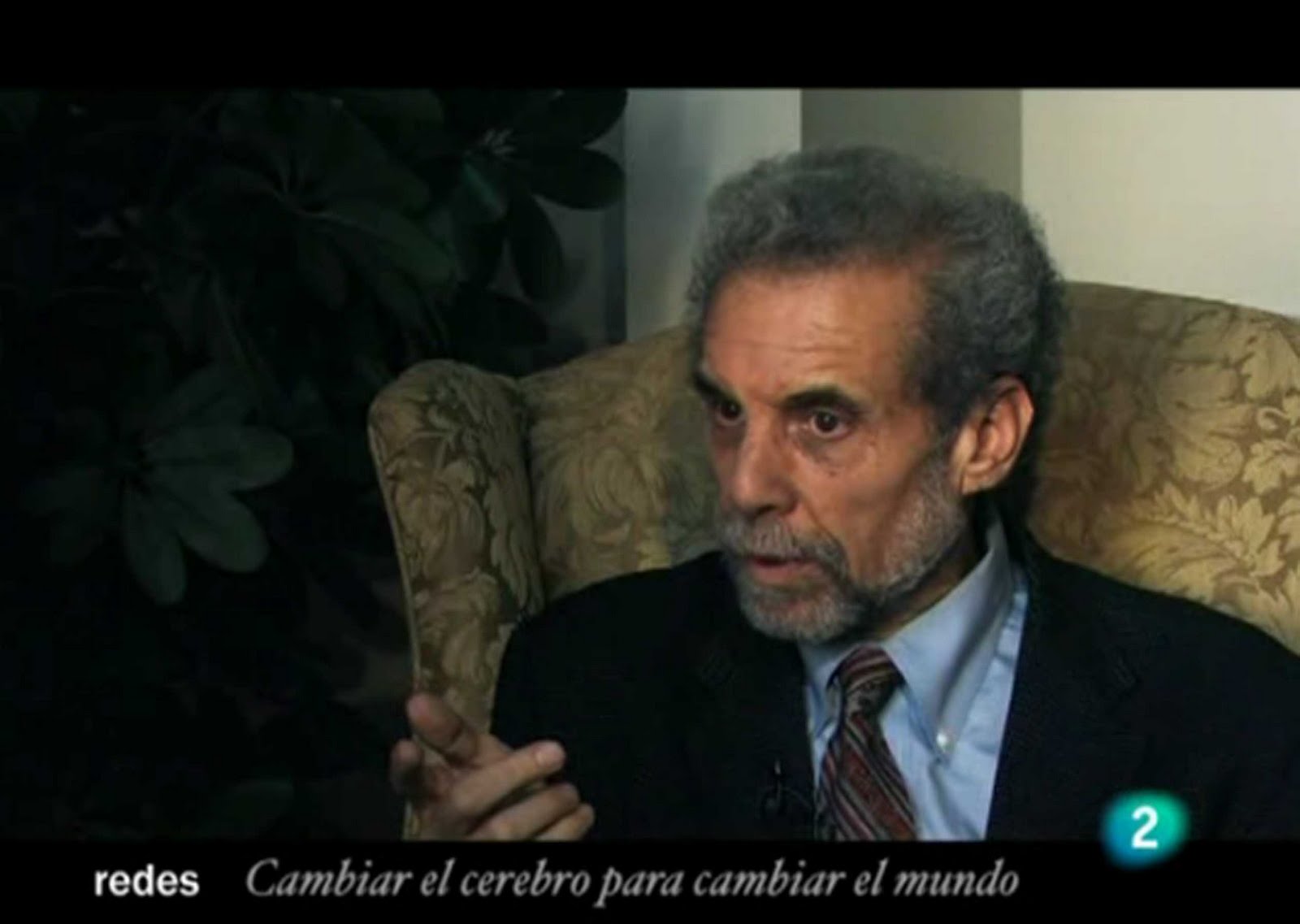
Eduard Punset nos comenta la posibilidad y sobretodo la necesidad para cambiar nuestra forma de vida y nuestro nuestro impacto sobre la naturaleza. Así como la responsabilidad individual de aportar para el cambio. Un cambio que está en marcha como asegura Mr. Goleman y que tanto a nivel personal como sobretodo empresarial va a ser imparable.
Me gustaría que veamos este video y nos cuestionemos qué estamos haciendo de manera individual para mejorar nuestras condiciones de vida y para proteger el planeta. Si no estamos haciendo mucho, cuestionarnos la posibilidad de hacerlo ya que, como nos comentan en el vídeo nuestro cerebro está en constante cambio así que vamos a abandonar ya eso de "yo soy así" o "ya soy muy mayor para cambiar".... No más excusas.
Este vídeo me lo pasa Marcos, que siempre está progresando , cambiando y creciendo para ser mejor él mismo y para los demás. Da gusto contar con su apoyo.
Eduard Punset told us the possibility and especially the need to change our lifestyle and our im
pact on nature. And individual responsibility to provide for change. A change is under way as Mr. Goleman says that both personal and business mostly going to be unstoppable.
I would like to see this video and to question what we are doing individually to improve our living conditions and protect the planet. If we are not doing much, the possibility to do so because, as we discussed in the video our brain is constantly changing so we're going to leave sayins as "I am this way" or "I'm too old to change" .. .. No more excuses.
Marcos passes me this video, he´s always making progress, changing and growing to be better himself and to others. It's nice to have his support.
(video in spanish/video en español)
Eduard Punset nos comenta la posibilidad y sobretodo la necesidad para cambiar nuestra forma de vida y nuestro nuestro impacto sobre la naturaleza. Así como la responsabilidad individual de aportar para el cambio. Un cambio que está en marcha como asegura Mr. Goleman y que tanto a nivel personal como sobretodo empresarial va a ser imparable.
Me gustaría que veamos este video y nos cuestionemos qué estamos haciendo de manera individual para mejorar nuestras condiciones de vida y para proteger el planeta. Si no estamos haciendo mucho, cuestionarnos la posibilidad de hacerlo ya que, como nos comentan en el vídeo nuestro cerebro está en constante cambio así que vamos a abandonar ya eso de "yo soy así" o "ya soy muy mayor para cambiar".... No más excusas.
Este vídeo me lo pasa Marcos, que siempre está progresando , cambiando y creciendo para ser mejor él mismo y para los demás. Da gusto contar con su apoyo.
Eduard Punset told us the possibility and especially the need to change our lifestyle and our im
pact on nature. And individual responsibility to provide for change. A change is under way as Mr. Goleman says that both personal and business mostly going to be unstoppable.
I would like to see this video and to question what we are doing individually to improve our living conditions and protect the planet. If we are not doing much, the possibility to do so because, as we discussed in the video our brain is constantly changing so we're going to leave sayins as "I am this way" or "I'm too old to change" .. .. No more excuses.
Marcos passes me this video, he´s always making progress, changing and growing to be better himself and to others. It's nice to have his support.
sábado, 4 de septiembre de 2010
CUESTION DE CRECIMIENTO / A MATTER OF GROWTH
http://www.youtube.com/watch?v=fvBsiP3hAmA
(video en francés subtitulado en español / Video in french with subtitles in spanish)
En nuestras facultades de economía nos enseñan el axioma del crecimiento empresarial. Cualquier empresa tiene que crecer. Las presentaciones de resultados de las grandes compañías se expresan entre otros términos utilizando la TAM Tasa anual de Crecimiento (en relación con el ejercicio anterior). Cobra muchísima importancia muy por encima de planteamientos ecológicos, de satisfacción de la fuerza laboral, o de implicación social. Pero más allá de estas consideraciones, poca gente se cuestiona, porqué hay que crecer, porque no producir lo mismo que el año anterior y obtener una rentabilidad suficiente para compensar el riesgo asumido por el empresario.
Serge Latouche , profesor de la universidad de París, ha desarrollado la teoría del Decrecimiento donde cuestiona este ansia importada del modelo anglosajón además de relacionarlo con el agotamiento de los recursos.
Yo no me lo perdería.
In our schools of economics teach us the axiom of business growth. Any company has to grow. The presentation of results of large companies are expressed ,among other terms, using the TAM Annual Rate of Growth (relative to the previous year). It gets more importance far beyond ecological approaches, satisfaction of the labour force, or social involvement. But beyond these considerations, few people question, why must grow, why not to produce the same as the previous year and obtain a enough return to offset the risk taken by the entrepreneur.
Serge Latouche, professor at the University of Paris, has developed the theory of decrease that questions this anxious to grotwh imported from Anglo-Saxon model , relating it with the depletion of resources.
I would not miss it.
Suscribirse a:
Entradas (Atom)